
Northampton Township Previous Residents by Era
A backward address trail changes with the era. Start with the contemporary parcel and recorded transfer, then select the source that fits the older period. Recorded ownership is not the same as a complete occupant list, but it supplies names and a legal description that can hold the location steady as postal labels and street numbering change. The table separates what each source can support from what still needs corroboration.
| Source | Years It Covers | Where Held | What It Shows |
|---|---|---|---|
| Recorder land records and index books | 1684 to present | LANDEX and Recorder research room | Recorded owners, parties, transfer chronology, and legal-description continuity |
| Register and Orphans' Court material | Records since 1684; originals 1684 to 1936 and recent five years on site | Bucks Register archive research center | Estate, death, executor, and heir leads |
| Pennsylvania archival vital copies | Births 1906 to 1920; deaths 1906 to 1975 | Pennsylvania State Archives | Noncertified ancestral vital evidence |
| Federal census | Released after 72 years | Library research resources and federal sources | Household composition, birthplace, and occupation tied to a historic community |
| Township Archives | 1700s to today collections | Free Library of Northampton Township | Maps, historic-property files, photographs, and local context |
| City or reverse directory | Exact local run not verified | Ask the Archives or catalog | Potential address lead only after title, coverage, and date are inspected |
For a recent address, use the property and Recorder path first. For a rural or early address, carry the historic village name into the archive and census search. Newspaper, probate, and vital records often close a timeline, but none should be made to stand in for the entire household record.
Northampton Township Previous Residents Start With Parcels
The Bucks County Tax Information search is the practical start for an address. Its screen supports parcel number, location address, owner name, owner mailing address, mailing city, ZIP, school district, and municipality fields. For a Northampton Township address, enter the house number and street in Location Address, select the municipality if needed, then preserve the returned parcel number, situs location, owner field, and separate mailing address.
The distinction is vital. A situs address is the physical parcel location. A mailing address is where tax correspondence goes. The owner field identifies an assessment-record name, not every past or present resident. The parcel number and legal description provide the strongest bridge to a deed, because a modern address can change while the land description carries through the transfer record.
Note: Keep the property result date with each field because assessment and recorded-document updates may not occur at the same time.
Trace Northampton Township Previous Residents Through Deeds
The Bucks County Recorder holds land records from 1684 to the present. Its Property Records page directs remote researchers to paid LANDEX access and identifies a public research area for records work. Begin with the present owner and an approximate acquisition period, not a street name alone. LANDEX party indexing follows people and roles, while the legal description and parcel number keep the chain tied to the same land.
- Save the parcel number, situs address, legal description, and current owner from the property record.
- Search that owner as an INDIRECT PARTY near the acquisition period to find the purchase deed.
- Record the DIRECT PARTY seller, recording date, document type, instrument number or book/page, and legal description.
- Search that seller as an INDIRECT PARTY in an earlier period to find the seller’s own purchase.
- Repeat the process, checking estate, sheriff, corrective, mortgage, or satisfaction documents when a change seems unclear.
- Grantor and grantee
- The grantor transfers an interest in land. The grantee receives it. Bucks party indexes label sellers or borrowers as DIRECT PARTY and buyers or lenders as INDIRECT PARTY.
- Chain of title
- A chronological sequence of recorded transfers for the same parcel or legal description.
- Legal description
- The recorded lot, block, subdivision, or metes-and-bounds description that identifies the land more reliably than an old street label.
The Bucks County Recorder of Deeds is the source for the land-record access route.
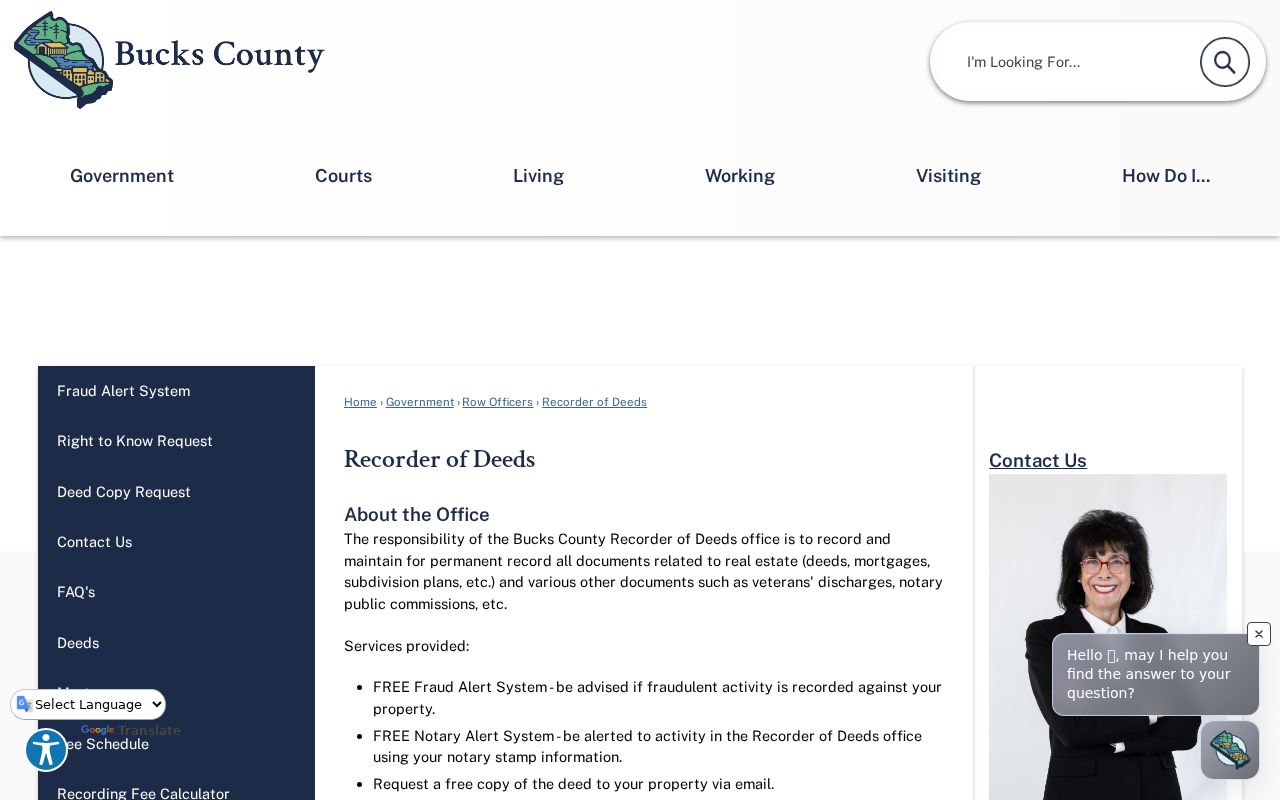
Recorder records create a dated owner trail, which must then be paired with household-level sources to learn who lived there before.
Northampton Township Previous Residents and Index Roles
The role labels in a deed index are not decorative. In Bucks, a seller or borrower is a DIRECT PARTY, while a buyer or lender is an INDIRECT PARTY. Searching the seller as the next earlier buyer is what moves the chain backward. A direct name search without the role and approximate year can return a transaction that belongs to a different parcel or person with the same name.
The county advertises paid online access and a public research area, but its official material does not state an online cut-off date. Do not invent one. When the available online result is insufficient, use the Recorder research room and its older index books. The office can explain how to use the index, but staff do not perform title or historical research. Save the party spelling exactly as indexed and note any document that explains a gap.
Northampton Township Previous Residents Before Street Numbers
Address continuity is the local trap in this work. Township history says many rural residents used a post-office or rural-delivery address until the late 1950s, while postwar development brought named subdivisions and familiar street-address expectations. A current number should not be forced backward into a nineteenth-century or early-twentieth-century record. Search the historic community, road, parcel description, and map reference together.
Use both present and older place names. Addisville is associated with Richboro, Jacksonville with Ivyland, and Rocksville with Holland. Almshouse Road was called Poorhouse Road until the 1950s. These are documented search bridges, not loose guesses. They are particularly helpful when a census, obituary, property file, or newspaper gives a village label that does not match a current mailing city.
Note: A legal description or parcel number can bridge a road alias, while a mailing city alone may not identify the property.
Township Archives for Northampton Property History
The Northampton Township Archives welcomes genealogy and historic-property questions and offers one-hour research sessions. Its more than 100 collections span the 1700s to today and include maps, property files, photographs, books, and oral-history materials. Bring the parcel number, legal description, old owner name, road aliases, postal community, and any photograph or map clue. Those details help staff search beyond the modern street address.
Oral history can add a valuable family or neighborhood lead, and the archive can digitize family documents for a visitor. Still, a story needs confirmation from a deed, estate file, census, or vital record. No searchable Township permit or inspection archive was verified. For an existing public permit, planning, or inspection record, make a focused request to the township custodian rather than assuming a database exists.
Northampton Township Past Households
Recorded owners are only one part of the past-residents question. Use a dated deed or parcel event to choose a period, then seek the household in released federal census material, local newspaper databases, and archive files. The Free Library provides HeritageQuest for census research and NewsBank resources for obituary, announcement, sale, or date context. No exact Northampton Township city-directory or criss-cross run has been verified, so a directory lead must be cataloged and inspected before it is treated as address evidence.
- Set a date range from a recorded transfer, estate event, or archive item.
- Search the Township Archives catalog with the surname, historic village, and road aliases.
- Use the relevant released census material to check the household composition and place.
- Test the result against probate, obituary, or archival vital evidence before adding it to the address history.
The Northampton Township City Directory explains how to inspect a historical directory or telephone-book lead without claiming an unverified local run. If the task shifts to the current address chain, the Northampton Township Street Directory uses the county property and map workflow.
Bucks Probate and Obituary Endpoints
When a deed chain reaches an estate transfer or a person seems to disappear from a property timeline, use the Bucks County Register of Wills and Clerk of the Orphans' Court. Its records date from 1684, and its Archive Research Center has the complete microfilm record set. The office will run an index search by name for 1684 to 1950 for $25. Estate records can identify an executor, heir notice, or death-date lead that distinguishes people with similar names.
The Register source shows the county route for estate and county-era material.
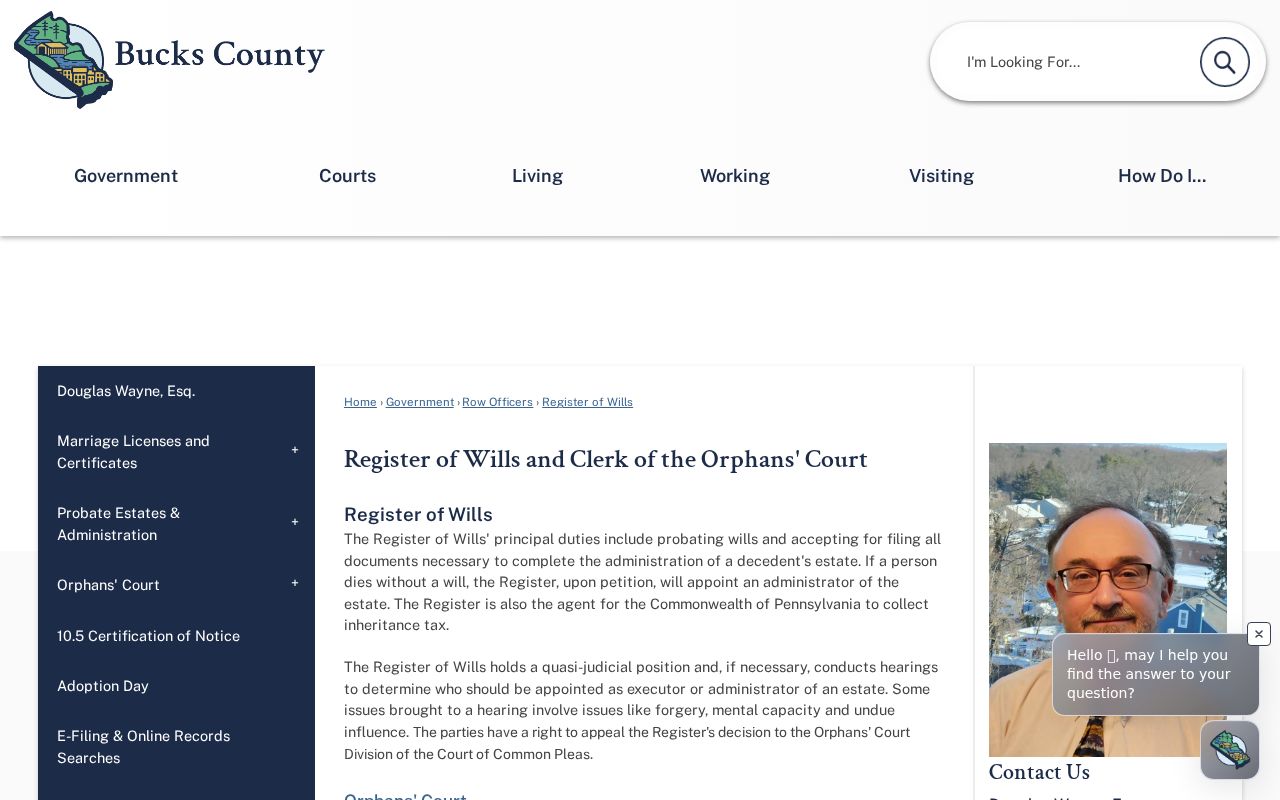
Probate evidence can explain a recorded transfer and point to the next family or vital-record source.
The Pennsylvania State Archives vital-record route offers noncertified archival copies for the published birth and death ranges. The request needs identifying data, and it is separate from a current certified-record process. It can supply a date or family connection to test against a county estate or newspaper lead.
The State Archives source identifies the archival vital-record request channel.
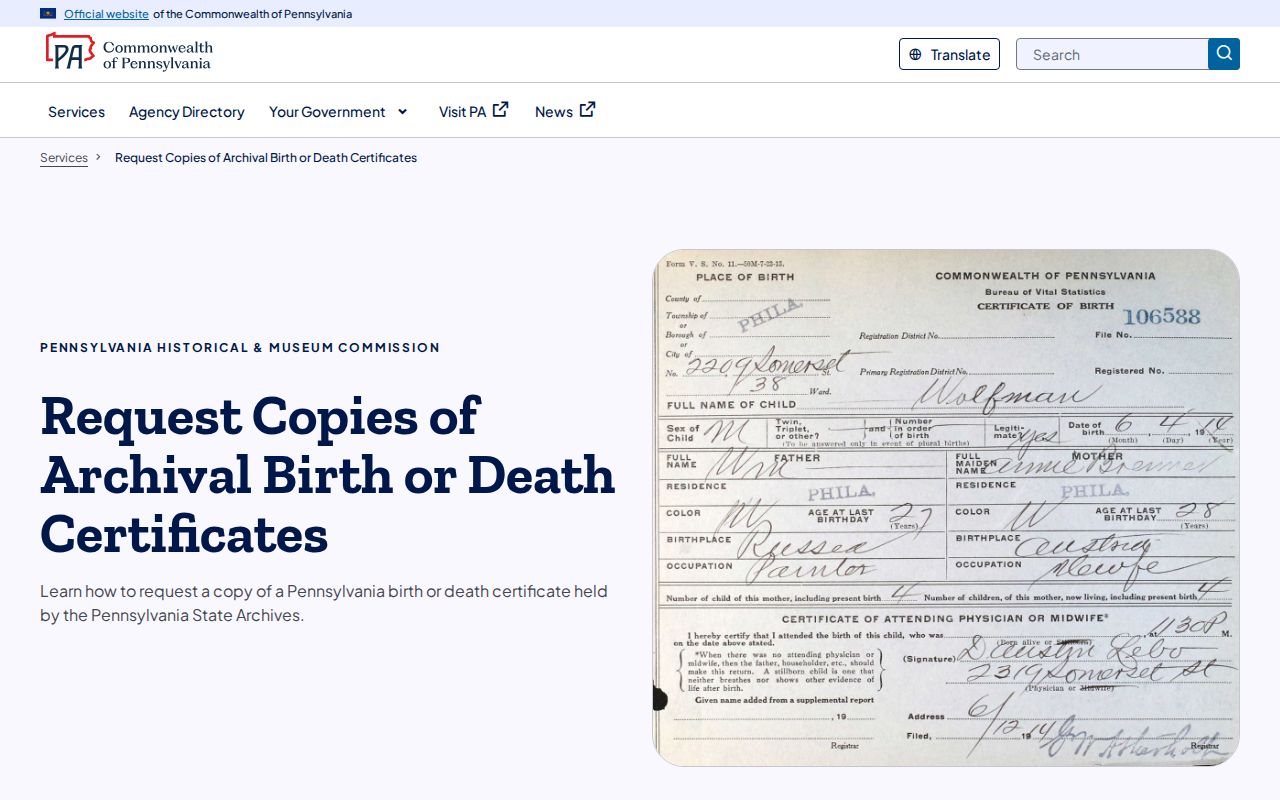
Vital evidence is strongest when it confirms a date or relationship already connected to the address through another record.
Northampton Township Deed Record Identifiers
Older Bucks research can use book and page citations, while documents recorded after July 1, 2012 use an instrument number instead of a newly assigned book/page reference. A single property timeline may cross both systems. Preserve each identifier exactly as shown, along with the recording date, document type, party roles, parcel number, legal description, municipality, and whether an image or copy is available.
Index books are organized in historical bands, not as one simple alphabetical sequence. That is why an approximate period and party role matter. A mortgage, satisfaction, sheriff deed, estate deed, or corrective deed can explain what looks like a sudden ownership change. The goal is a transparent record trail, not a guess about a household from one line in an index.
Northampton Township Previous Resident Limits
Past-resident research is best used for family history, estate questions, historic-property work, and personal curiosity. A property owner is not every person who lived at an address, and an old address record does not establish a present location. Respect confidential records and substitute-address protections. The Pennsylvania Right-to-Know Law provides access to agency records, not a right to a personal dossier.
Lawful use. Use historical address evidence for legitimate personal and research purposes. Do not pursue a protected address or use a record to stalk, harass, or harm anyone.