
Northampton Township City Directory Leads
No verified township-wide city-directory run, reverse-directory run, publisher, or shelf-year span was found in the official material reviewed. That gap matters. Northampton Township developed as villages and rural delivery areas, not as one compact city with a known annual directory series. Treat the search as an archive-first investigation: ask what has been cataloged under the township, its communities, a street, or a family, and verify every volume before using it as evidence.
| Research channel | Verified span or scope | Where to start | Directory value |
|---|---|---|---|
| Township Archives | 1700s to today; more than 100 collections | Free Library of Northampton Township | Historic-property files, maps, genealogy materials, and research sessions |
| Archives catalog | 109 collections and 10 digital records at review | Online catalog | Search names, places, dates, and record types before an appointment |
| Library genealogy resources | Database scope varies | Free Library resources | Census, newspaper, and historical-record companions rather than a verified local run |
| Bucks County directory editions | 1894, 1898, 1902, and 1905 documented | Ask an archive or library to confirm access | Possible county context; Northampton Township coverage is unverified |
| Federal census | Released after the federal 72-year period | HeritageQuest and other library research routes | Household evidence after the right historic community is identified |
Begin with the Township Archives for a family, historic property, or local place question. Use library databases and county records to test the lead. A printed directory is useful only after its title page, publisher, date, geographic coverage, and address section have been checked.
Archive-First Northampton Township City Directory Search
The Northampton Township Archives is the strongest local starting point. It holds genealogy documents, historic-property files, maps, books, photographs, artifacts, film, and mixed media. Its published public hours are Monday 4 to 7 p.m., Wednesday 1 to 4 p.m., and Saturday 9 a.m. to noon, with appointments available. The archive also offers one-hour research sessions for genealogy and historic-property questions.
The archive source is especially valuable when a name appears in a family paper but not in a known printed directory. Bring a modern address or parcel number if available, old owner names, approximate transfer dates, and the postal community used in the period. That gives the archivist specific terms to search, while leaving room for a map, property file, or photograph to supply the next lead.
The Archives research-session page shows the local setting for this Northampton Township directory work.
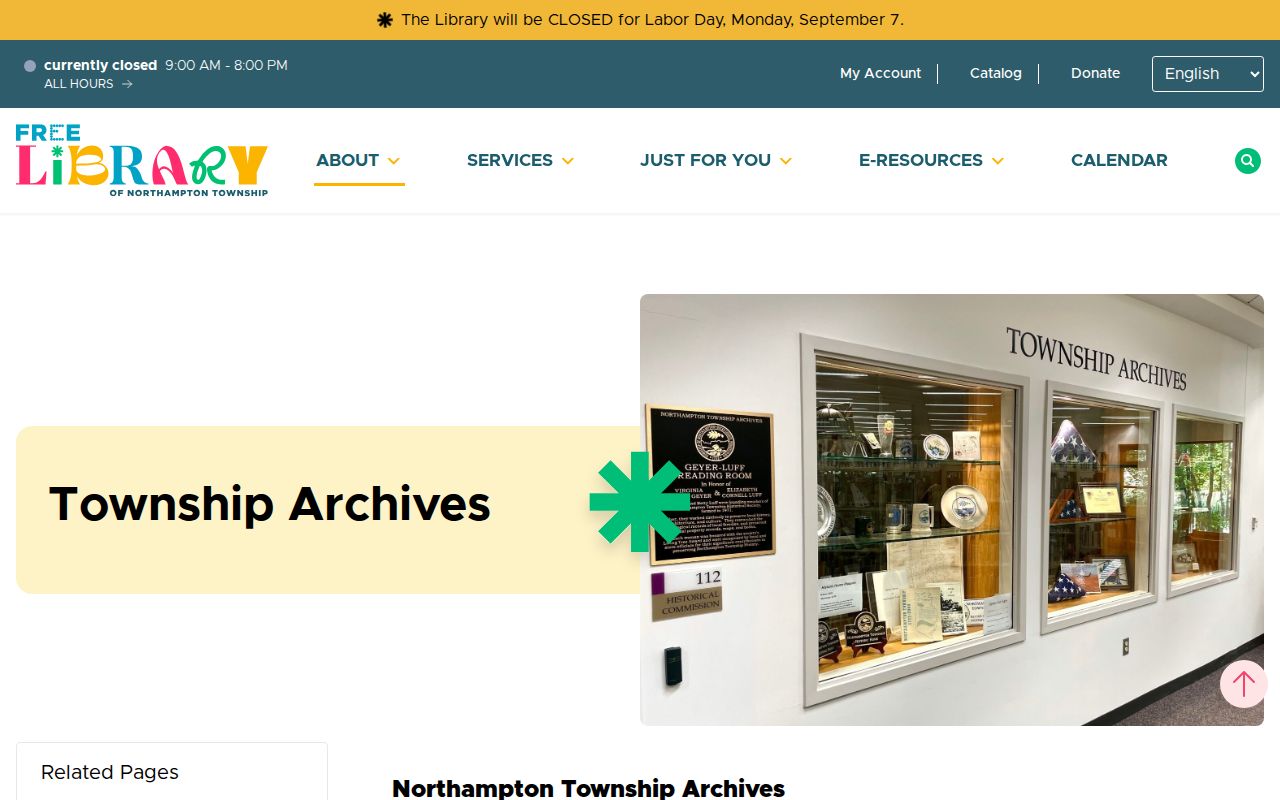
Archive access adds local property and family context that a general name search may miss.
Note: Staff can help locate materials, but a catalog result or family story still needs support from the original record.
Northampton Township Directory Archive Desk
The Township Archives catalog has a search-terms box, record-type limit, search-field selector, From Year and To Year fields, plus an add-row control. Search a person and place separately. Add a second row for a village name or date range rather than assuming a formal township label was used in an older description. The public review did not expose every option in the selectors, so the visible catalog should control the final search choices.
Catalog results should be treated as finding aids. A promising description may identify a collection, not a digitized directory page. Ask whether uncataloged telephone books, reverse directories, maps, school materials, or property files exist before concluding that no source survives. A search that reaches a collection number is a success, even if the item must be read on site.
The online catalog is the source for the searchable archive interface.
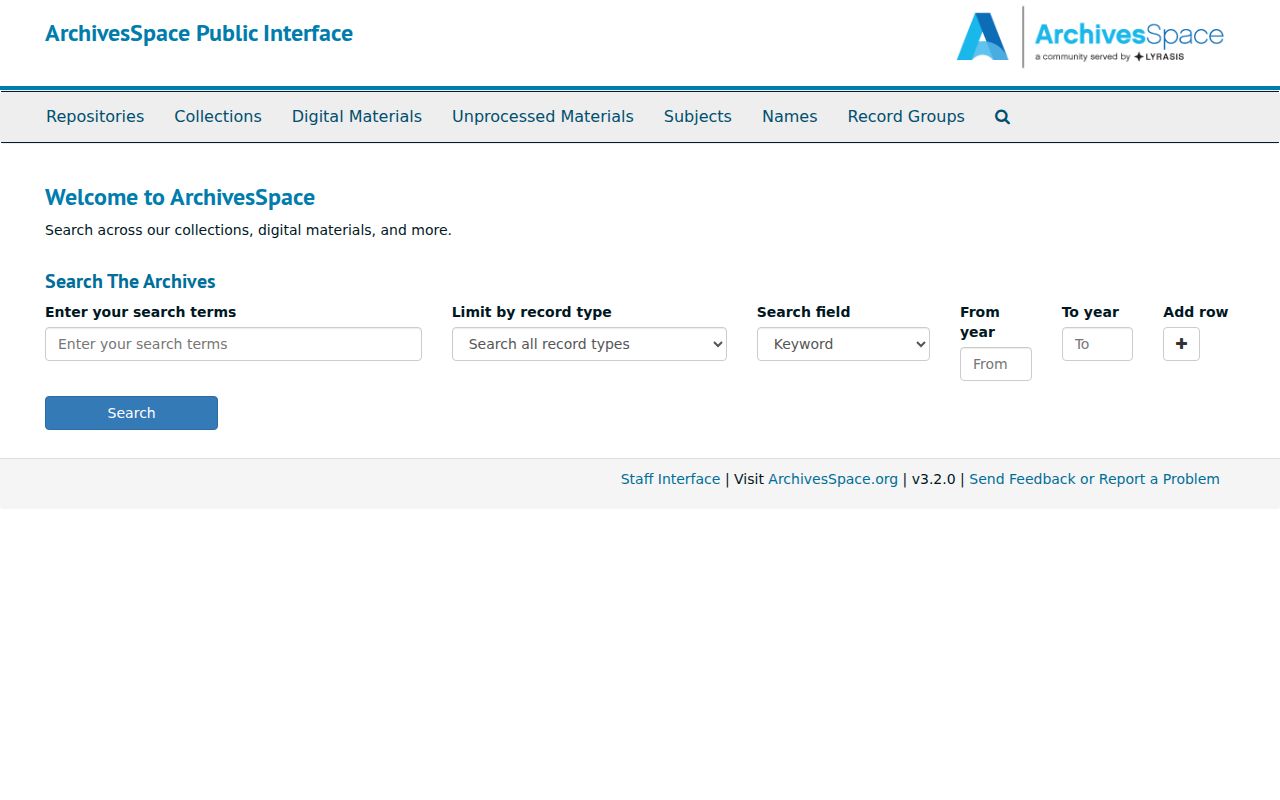
Use the catalog to build a precise request, then inspect the underlying material for its actual date and scope.
Northampton Township Directory Place Names
Place names are a records-geography problem. Search Richboro, Holland, Churchville, and Ivyland along with Northampton Township. Older material may instead use Addisville, Jacksonville, or Rocksville. Township history links Addisville with modern Richboro, Jacksonville with Ivyland, and Rocksville with Holland. A family can appear under the postal community of the period rather than under the township name used today.
Older rural residents often had a post-office or rural-delivery address until the late 1950s. A current house number may therefore fail in an early census, newspaper, or archive search. Try the road, crossroads, property description, and historic village together. Almshouse Road should also be searched as Poorhouse Road, the earlier documented name. These name bridges are as important as a surname spelling variant when tracing a historical directory lead.
Northampton Township Library Directory Companions
The Free Library electronic resources provide useful companions when no verified city-directory volume is at hand. Ancestry Library Edition and FamilySearch are available inside the library. HeritageQuest may be used from home with a library card and PIN, and the library also lists MyHeritage Library Edition and NewsBank resources. HeritageQuest is particularly useful for pairing a person or household with federal census material.
NewsBank can supply obituary, announcement, address, or date context through local-news sources, but database coverage needs checking at use. A newspaper hit is a lead, not proof of a residence. Pair it with a census entry, estate index, property record, or archive item. The same rule applies to searchable databases: a name match needs a place and time match before it belongs to the same household.
The library genealogy and news resources provide the database pathways shown here.
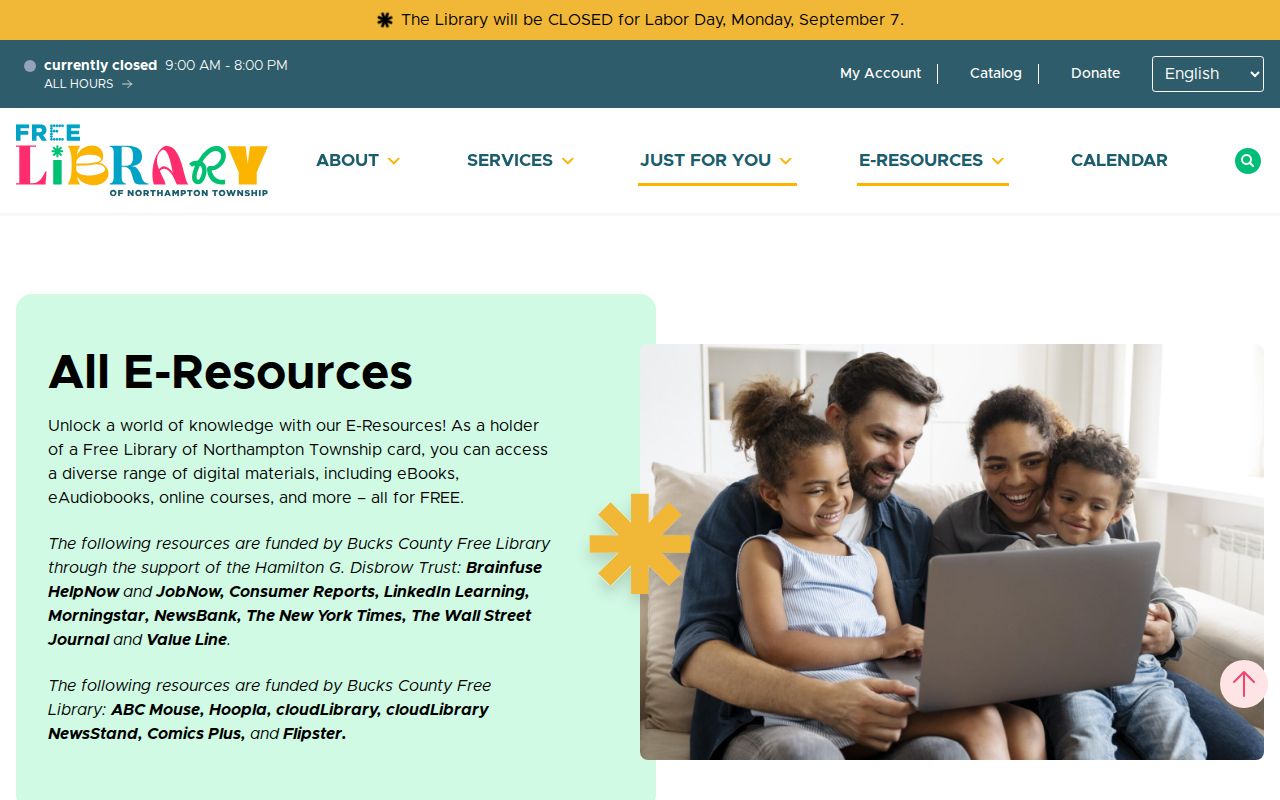
Library access helps turn a directory-like name lead into a dated, checkable household record.
Reading Northampton Township City Directories
No local city-directory page was verified for this project, so Northampton Township has no established local abbreviation key or standard entry pattern to quote. Inspect the volume before relying on it. Photograph or transcribe the title page, publisher, year, coverage statement, abbreviation key, and a non-sensitive historical entry. Then record only the fields that that edition actually prints.
| Name | Verify the exact spelling, initials, suffixes, and whether the entry identifies one person or a household. |
|---|---|
| Address | Check whether the printed address is a residence, business, rural route, village, or other location reference. |
| Family notation | Record a spouse, widow notation, or household clue only if the edition actually includes it. |
| Work notation | Transcribe any occupation or organization carefully, without treating it as proof of a current address. |
| Address section | Confirm whether a reverse or street-order section exists before using it for an address search. |
- Criss-cross directory
- An address-order directory that may connect a street address to a listed person, if that particular volume includes one.
- Householder index
- An index arranged around the named household contact rather than a complete account of everyone at an address.
- Abbreviation key
- The volume's own explanation of shortened terms and marks. It should be read before interpreting an entry.
Bucks County Directory Editions
A Mercer Museum and Library of Bucks County History publication documents Bucks County directories issued in 1894, 1898, 1902, and 1905. Those dates justify a focused institutional question, not a claim that a Northampton Township entry or complete run is online. Ask the Township Archives, the library, or a Bucks repository whether a particular edition is available and whether it covers the relevant village or rural address.
The Bucks County genealogical and archival request route is another documented channel for county-era research. Its archive center has microfilm and originals under stated access rules. Give staff a name, date range, and historic community, then request a specific index or record rather than asking for a general person search.
The county archival-search information supports the request channel for these older Bucks materials.
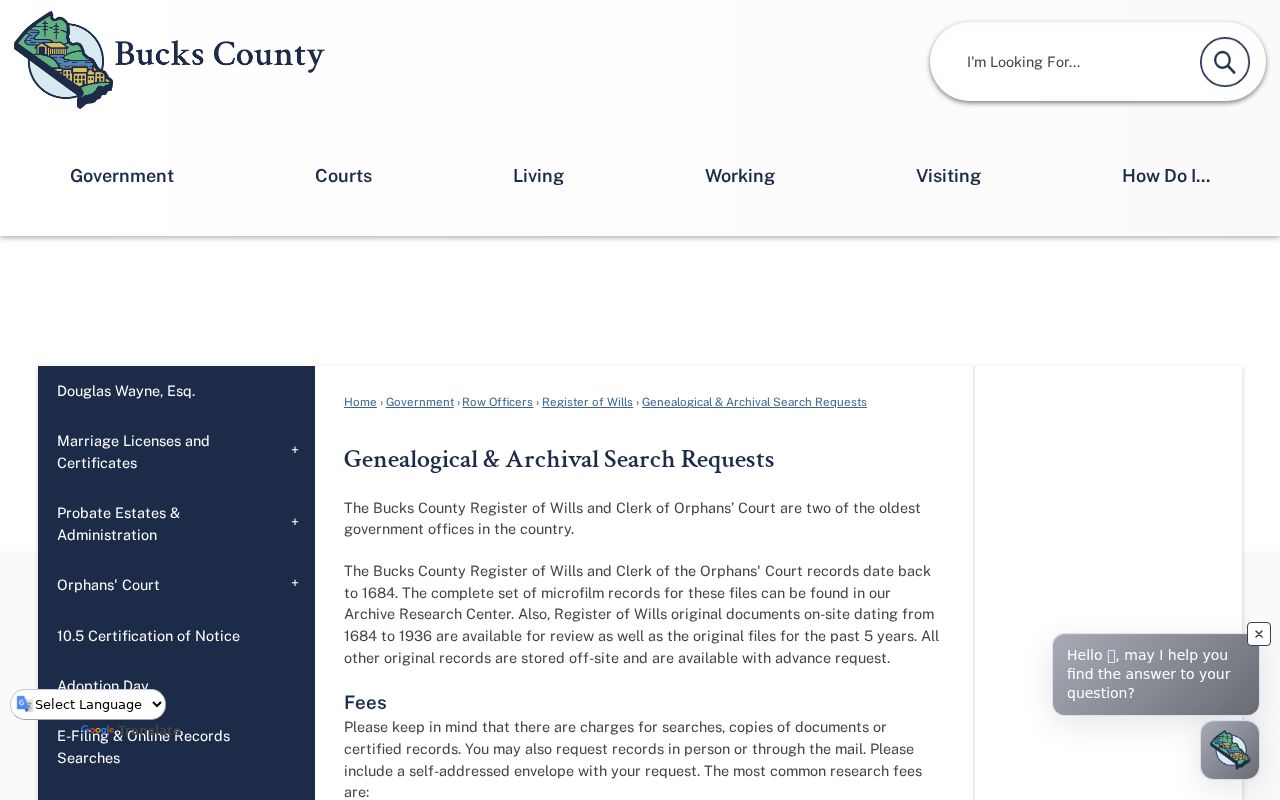
A defined request can confirm whether an edition or related county record is actually available before travel or copying costs.
Tracing Northampton Township Directory Households
Build a household chronology from the best dated record in hand, then use the historic community name to look for directory-like material. Federal census schedules become public after the 72-year release period, and the library's HeritageQuest route can help with census work. For earlier rural periods, a village, property description, church or cemetery clue may be more useful than a modern street number.
- Write down the person’s name variants, known address or village, and a date range.
- Search the Archives catalog under the surname and each historic place name.
- Inspect any located directory, telephone book, map, or property file for its title, date, and coverage.
- Pair the resulting place and period with the appropriate released federal census material.
- Use a Bucks estate index, obituary lead, or recorded land document to test whether the household is the same one.
A name disappearing from a source can mean a move, death, changed spelling, changed postal label, or no inclusion in that edition. Do not select one explanation without a second record. For a current property trail or a street-by-street question, use the Northampton Township Street Directory rather than stretching a historical source beyond its period.
Northampton Township Archive Property Research
The Township Historical Commission oversees the archive and its historic-home work. Its home plaque program was created for the 2022 tricentennial, and the archive can route questions about a historic property. Maps, photographs, property files, and oral-history leads can explain why a family appears under an unexpected name or location. Oral testimony is useful context, but it should be corroborated with a deed, probate record, census, or vital record.
A local historic-property inquiry can also be more productive than an unbounded name search. Supply the parcel number, legal description, old owner names, road aliases, and any map or photograph clue. The archive can digitize family documents and record oral histories, which can preserve evidence for a family file while the primary-record search continues.
The Historical Commission page identifies the local stewardship behind these archive resources.
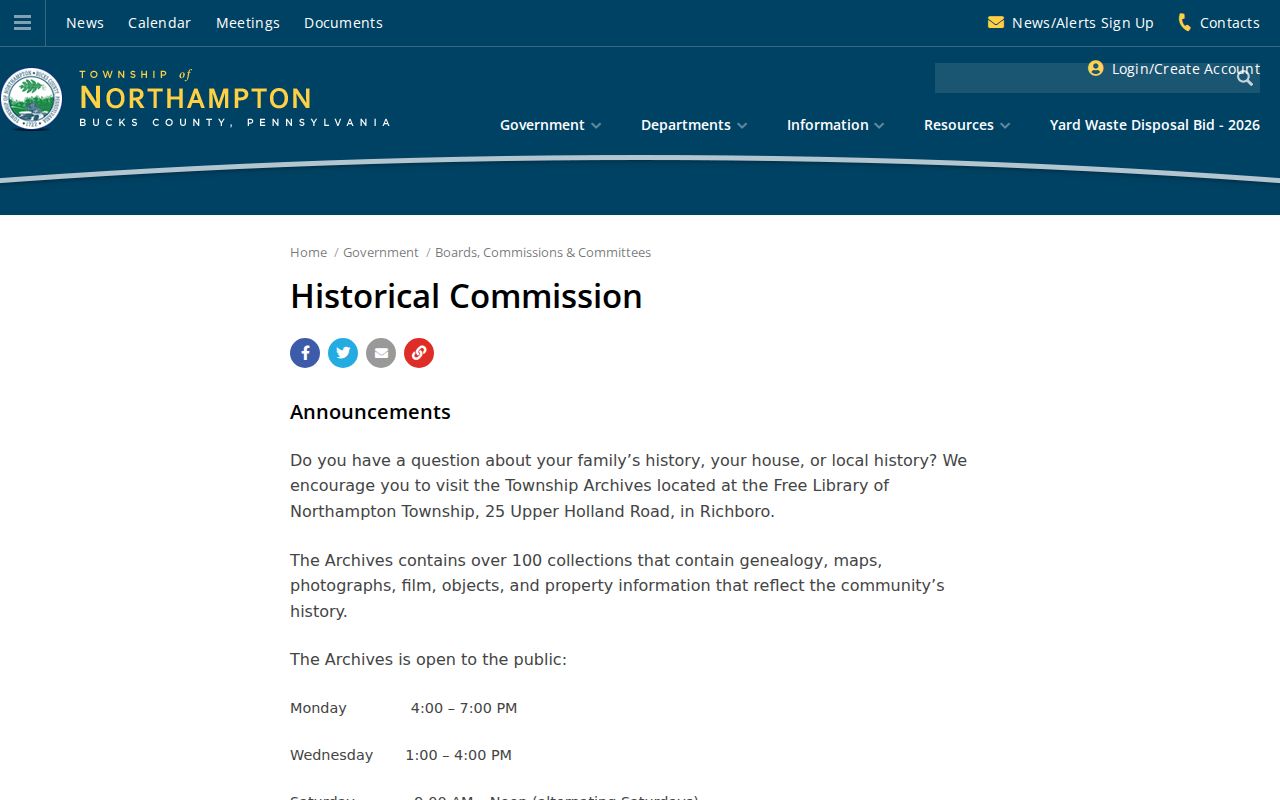
Historic-property files can connect a directory lead to the local landscape without assuming the file proves every household detail.
Note: A postal community, rural route, or road alias may be the strongest location term for an early household search.
Northampton Township Directory Limits
A printed directory can be selective, and this project has not verified a local township-wide run. Do not turn an unlisted person into a conclusion about where they lived. The reliable path is to preserve what a source actually says, note its date and coverage, and check it against the appropriate archive, census, Recorder, or Register record. Protected addresses and private household details remain outside the scope of this historical research.